
10 uncomfortable truths about Europe
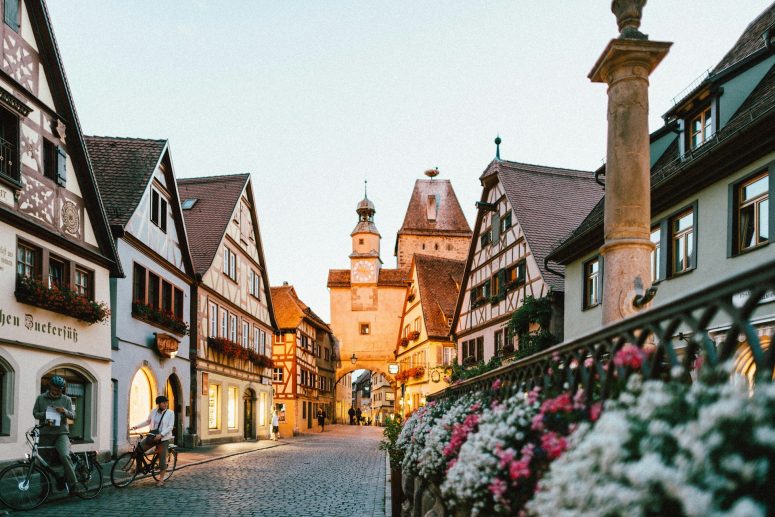
Courtesy Unsplash
- Europeans are less optimistic about the future. Centuries of war, collapse, and rebuilding produced realism bordering on pessimism. Many Europeans expect decline and focus on stability rather than growth.
- Europeans don’t want to “lead the world.” There’s little appetite for global dominance. The goal is usually to avoid past disasters, maintain quality of life, and avoid extremes.
- Europe is post-imperial and deeply insecure about it. A lot of moral superiority is compensation for lost power. The confidence is curated; the anxiety is real.
- Europe loves rules more than people. Process often matters more than outcomes. You can lose your livelihood to regulations while everyone shrugs and says, “That’s the system.”
- The social safety net can quietly kill ambition. Security is real but so is stagnation. Risk-taking is culturally discouraged, and failure carries long-term stigma.
- Elites are deeply insulated. Political, academic, and media classes live in bubbles far removed from working-class neighborhoods—especially regarding immigration and crime.
- Europe benefits enormously from global inequality while condemning it. Cheap labor, outsourced suffering, and resource extraction are invisible luxuries. Moral outrage costs very little when someone else pays the price.
- Europe is afraid of both change and decline. That contradiction fuels paralysis. Radical reform is feared but so is doing nothing. So the continent drifts.
- Europe criticizes US imperialism while enjoying its leftovers. Europe scolds America for wars and coups—while benefiting from NATO protection, US security guarantees, and global stability they don’t pay for proportionally.
- Europeans think they’re the “adult in the room.” They smugly see the US as a reckless teenager without restraint— themselves as more principled but without power or teeth.