
Are Hot Pockets authentic?
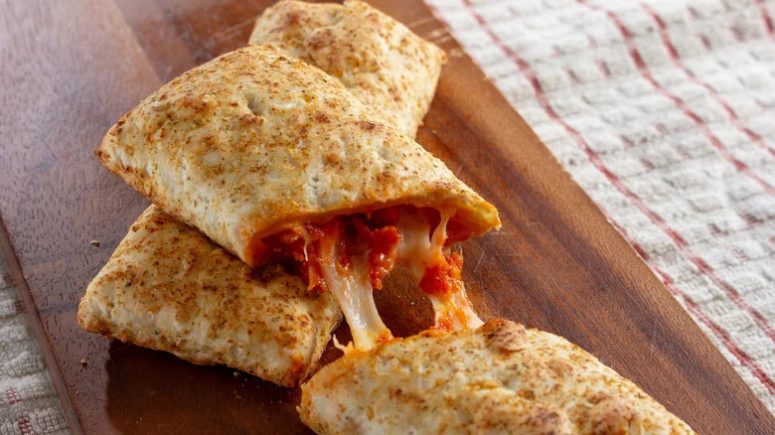
Courtesy Shutterstock
Short answer: Yes, Hot Pockets are absolutely authentic. But maybe not in the way you’re thinking. Here’s what makes the microwavable controversy both real and uniquely American:
- Authentic American invention. Hot Pockets were developed in the U.S. by Paul and David Merage, Iranian-American brothers, in the late 1970s. They perfected the handheld, microwave-friendly pastry and launched it as “Hot Pockets” in 1983.
- Inspired by global foods. The concept echoes old-world stuffed pastries—think calzones or empanadas—but the product, packaging sleeve, and microwaveable crust were innovations designed specifically for modern convenience.
- Immigrant food innovation. Though they taste American, Hot Pockets owe their existence to immigrant ingenuity: the Merage brothers brought their innovation mindset and combined it with mainstream appeal. They went from humble storefronts to creating a household freezer staple.
- Evolving since 1983. Started as “Tastywich” in 1980, rebranded to Hot Pockets by 1983. Acquired by Nestlé in 2002; now one of the biggest microwaveable sandwich brands. Production mainly occurs in Mount Sterling, Kentucky.
Authentic? Yes—in origin, invention, and history. Do I like them? No. But whether they taste as good as the original, that’s up for debate. Though initially praised for their crisp exterior, some fans say quality has declined over the years, noting that filling has shrunk and the dough feels more like a bland pouch now.