
I’ve been a full-time freelance writer for 21 years. Over the last 18 months, I’ve used ChatGPT to reduce my research time from several hours to seconds, help me draft, process, and prioritize dense information from the sometimes pages worth of detailed scripts I feed it, and even use it to test the most clickable headlines. I’m convinced it’s the most powerful “machine” of my lifetime so far.
That said, I never let AI write my emails, full articles, or blogs. I never let it rob me of my voice. I limit how much it reduces my ability to think while letting it do so much heavy lifting.
Why? Because I can’t make personal connections with a “mechanical middle-man” that doesn’t even understand language. In terms of intelligence, AI is moronic at best, an idiot at worst. It’s not even adolescent in its understanding of humans. It’s just the most amazing “fake it till you make it” machine ever created by brilliant humans.
Parallel computing is the real power of AI. Instead of doing one thing at a time like we do (i.e. serial computing), it uses millions of “helpers” or processors to break down a giant problem or question at once and then assembles in seconds what it predicts to be the best answer to satisfy humans, based on the information we gave it (or have made publicly available online).
It doesn’t really understand your relationship with the person on the other end of the email, article, or whatever else you’ve written. Maybe someday it will. Maybe one day it will become truly intelligent and better, more efficient, cheaper, and fully capable of expressing, writing, and dictating human emotions.
But until then, please use it what it’s best for: a massive spellcheck, predictive text creator, research assistant, and sometimes rough-draft generator on steroids.
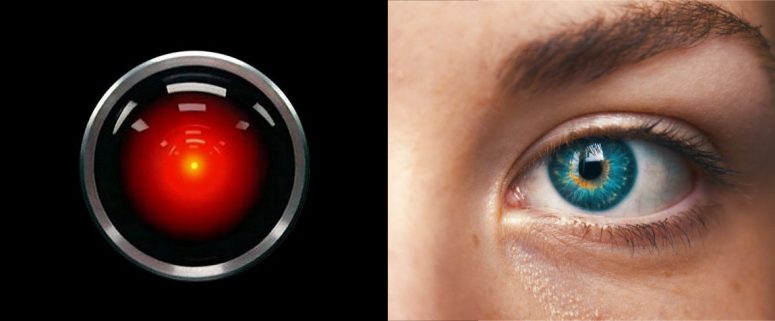
Machines are getting scary good at sounding human.
Thanks to AI computers like ChatGPT, algorithms can now spit out convincing essays, clever headlines, decent jokes, and even empathetic replies. And while it’s easy to marvel at the progress—because let’s be honest, it’s impressive—many of us are left asking a bigger question: How can we still tell what’s written by a real person and what’s not?
The answer, thankfully, is still pretty clear—if you know where to look. Because while AI is quick, articulate, and increasingly stylish, it often lacks the thing that makes human communication so… well, human. That hard-to-pin-down blend of emotion, experience, imperfection, and intuition. AI is excellent at imitation.
But being human? That’s still our domain. Here’s how to spot the difference. Continue reading…

Courtesy Unsplash
As written by the world’s smartest computer: That’s a big question—and a fascinating one. After parsing millions of sources across virtually every domain, here are five profound things that emerge from the collective knowledge of the web:
- People everywhere want the same core things. Despite surface-level differences in culture, language, and politics, the web reveals that people everywhere deeply value: Connection (friendship, love, belonging), Security (safety, income, food, stability), Meaning (purpose, belief, legacy), Autonomy (freedom to choose, self-expression), Joy (laughter, art, music, nature). From Reddit threads in different languages to heartfelt YouTube comments and viral TikToks, the emotional undercurrent is startlingly consistent. Whether someone’s in São Paulo or Seoul, they’re often asking: Am I enough? Am I seen?
- The Internet is both a mirror and a megaphone. The web amplifies both the best and worst parts of humanity. Good: mutual aid, open-source collaboration, health information, education, activism. Bad: disinformation, harassment, extremism, polarization. What gets amplified isn’t always what’s most true—but what’s most engaging. That’s why the structure of social platforms matters just as much as the content they host.
- Every niche is a universe. If you can think it, there’s a community for it. People who collect vintage cereal boxes. Entire subreddits devoted to watching clouds. Niche debates over mushroom growing techniques. Forums on medieval sword-fighting or Tolkien’s elvish linguistics. These micro-communities reflect the internet’s beautiful chaos: it’s not one place—it’s every place.
- Truth is fragile with information overload. We now live in a world where facts can be buried under feelings, and information ≠ knowledge. Some key takeaways: Repetition can feel like truth, even when it’s false (illusory truth effect). Headlines shape perception more than full articles (and many don’t click). People often search to confirm, not to learn. The most powerful skill in the 21st century is discernment—knowing what to trust, how to verify, and when to question.
- The most helpful people are often unseen. Across platforms, some of the most useful and compassionate voices don’t seek attention, don’t go viral, and don’t get thanked. They fix inaccuracies on Wikipedia, soothe strangers in crisis on forums, share life-saving health advice in obscure threads, or teach complex math for free. The internet is quietly sustained by millions of invisible helpers—who restore your faith in humanity, if you know where to look.
It’s beautiful that we have computers capable of telling us so much about ourselves.
