
10 surprising facts about the Wild West
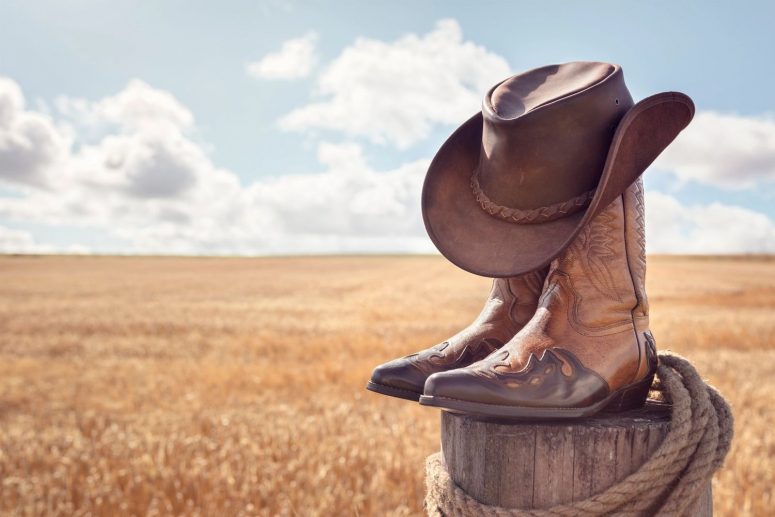
Courtesy Unsplash
Although entertaining, Hollywood stereotypes are rarely accurate. For example:
1. Cowboys were exceptionally diverse. Around one in four cowboys were Black, and many others were Mexican, Indigenous, or of mixed heritage. The Hollywood image ignores this multicultural reality.
2. Gunfights were rare. The classic “high noon” duel was extremely rare. Most towns had strict gun control laws, including weapon checks when entering town. Dodge City, for example, had ordinances banning the carrying of firearms.
3. Towns were often safer than today. Despite their rowdy reputations, many Western towns had lower murder rates than modern cities. Tombstone, AZ, had fewer than 10 murders a year at its peak.
4. Stagecoach robberies were rare and often nonviolent. There were fewer than 10 major stagecoach robberies per year across the West during its peak. Most robbers avoided violence, opting for speed and efficiency.
5. Women held power and owned land. Women in the West had more rights than in many Eastern states. Wyoming was the first U.S. territory to grant women the right to vote—in 1869.
6. Many “outlaws” were folk heroes or exaggerated by the press. Figures like Billy the Kid and Jesse James were often romanticized or demonized by newspapers looking to sell stories. Some were less dangerous than their legends suggest.
7. Cattle drives were short-lived. The iconic cattle drive era only lasted about 20 years (roughly 1866–1886). Railroads and barbed wire quickly ended the need for long drives.
8. Many “Western” towns were actually in the Midwest. Famous Old West towns like Dodge City (Kansas) and Deadwood (South Dakota) are geographically Midwestern, not “Western” by modern standards.
9. Native Americans were skilled diplomats. Beyond warfare, many Indigenous leaders were highly skilled negotiators and diplomats, navigating treaties, trade, and complex alliances. For example, the Nez Perce were known for their eloquent peace efforts.
10. Chinese immigrants were crucial to the West’s development. Chinese laborers made up about 90% of the workforce on the Central Pacific Railroad. Despite racism and exclusion, they were foundational to the Western economy.