
Courtesy Unsplash
One of the biggest issues in travel journalism right now is how journalists can realistically cover destinations amid shrinking media budgets, restricted junkets, and increasingly competitive assignments. For example, the New York Times and a few others don’t allow staff or freelance writers to accept all-expense paid travel trips in exchange for coverage.
When I first started writing about travel 11 years ago, USA Today and several more wouldn’t allow free press trips, but many of them have since changed, since they don’t have the budgets to pay journalists way but they still want to cover travel since it’s such an in demand news product. In other words, the question of journalistic access and independence is alive and well.
My take: I’m glad the big budget and profitable New York Times don’t accept free press junkets (someone’s gotta do it). But I’m also okay that I’ve accepted press trips for over two decades so I can write about the trips I’m being hosted on, travel very much included. Both have value. But I have to work extra hard to write objectively since shiny freebies are proven to soften critique, something publicists definitely know.
My approach: I reserve the right NOT to write about a place I don’t believe deserves publicity, critique experiences as if I paid for them, and review things honestly as if I would to a close friend or family member. I do all this while risking future access. For example, I’ve been blacklisted twice by two top 10 tourism operators and destinations after calling their trips underwhelming, because they really were. A few years later, one of them invited me on a different trip because they still wanted to be featured in my bylines (and the other is hosting me again after I’ve stayed in touch with them).
Moral of the story: there are lots of fish in the sea. You do you as honestly as possible, and you’ll always find a way if you keep working hard.
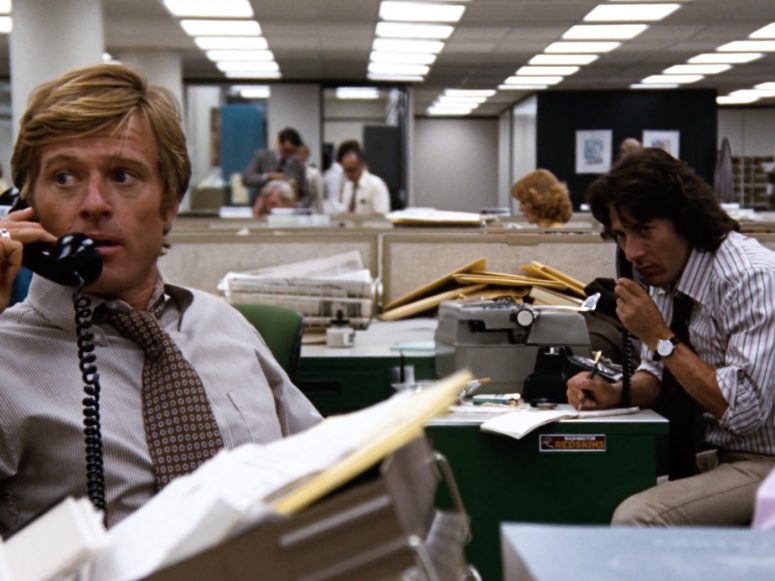
As a working, independent journalist for over 15 years now, I can attest that there is, in fact, a liberal bias in the media. In fact, 37% of journalists identify as liberal, while just 7% as conservative, according to the Washington Post. The rest, myself included, are independent.
Having written for dozens of moderate outlets such as CNN and even Fox News and MSNBC—the most extreme publications for American news bias—I also have a lot of insight into why that is. Here’s why. Continue reading…

Courtesy Shutterstock
Thanks for reading and sharing:

As someone who’s written hundreds of articles for fancy publications, I’m often asked the best way to land free publicity.
Outside of knowing when you have truly have something that’s noteworthy and knowing which audiences are most likely to find your something relevant, my colleague Josh Steimle recently wrote about the subject for Entrepreneur; specifically how to get great PR in 15 minutes per day.
Josh was kind enough to interview and quote me in the article. This is what I said: “Indirect PR pitches are the best way to increase your chances of a media placement. Rather than talking about yourself, explain a larger trend that might interest the journalist or publication you’re pitching, complete with stats, anecdotes and data.
“Your contribution should be only part of the story. Doing so not only makes the press’s job easier but demonstrates greater objectivity, further increasing your chances of a placement.”
In my experience as someone being pitched, that approach leads to a lot more placements.
Since we’re on the subject, now go watch Ace in the Hole, All The Presidents Men, State of Play, and Spotlight—all good if not remarkable movies on journalism.
Samsung / Blake Snow
Unless you want to be average, don’t spend 20 hours a week watching TV. Fullfilment takes time. “I wish I watched more Netflix,” said no dying person ever.
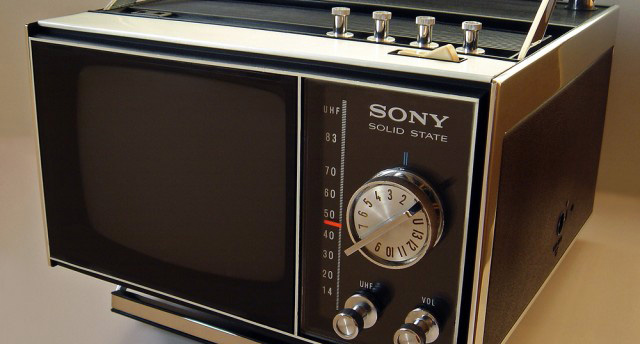
The New York times ran an insightful piece this weekend on the decline of Sony, which is valued at just a quarter of where it was a decade ago, and just one thirtieth the size of Apple:
“Sony makes too many models, and for none of them can they say, ‘This contains our best, most cutting-edge technology,’ ” Mr. Sakito said. “Apple, on the other hand, makes one amazing phone in just two colors and says, ‘This is the best.’ ”
In addition to department infighting, that really sums up Sony’s troubles: too much product, none of them hits. Continue reading…
In The Know: Should The Nation’s Unemployed Be Buying New Apple Computers?
 Convincing reasons here.
Speaking personally, I’ve owned a Blu-ray player (PS3) since 2007, yet I only own maybe five Blu-ray discs. Yes the picture quality is nicer, but upscaled DVDs and streaming movies look nearly as good, and up until this year, they were a whole lot cheaper.
2 Muslims travel 13,000 miles across America, find an embracing nation
An excerpt: “After 13,000 miles, I think that America still exists, and I’m happy to know that it does,” said Tariq, a 23-year-old American of Pakistani descent. “It’s really made America feel like home to me in a way that I’ve never felt before. The America that we think about [as immigrants] is still actually there. I’ve seen it! And I’m seeing it still.”
 As this report so eloquently states, media is still best consumed with a mouse and keyboard, passive video, or with opposing hands leafing through pages of information. “Interactive media” as seen on the iPad is as useful as “multimedia CD-ROM dictionaries” from the 1990s, m’kay?
Now if you’re talking about entertainment, I’m all for gesture based interaction. But for straight consumption of information, give me visual ads, easy flowing editorial, and search.
Sadie woke up early today. After getting up with her and dozing off on the couch, she unfortunately decided to turn on the Today Show on NBC. I don’t watch morning shows, and now I know why. The programming is pathetic — it’s like a prolonged advertisement filled with periodic non-news and weather updates every 10 minutes. Just horrible…
Which made me wonder: Will morning shows continue to air once the baby-boomer generation passes on? Who else is watching this dross?
… like this one.
In an article entitled “Do Newspapers Have a Future,” author Michael Kinsley at TIME magazine had this to say: “Meanwhile, there is the blog terror: people are getting their understanding of the world from random lunatics riffing in their underwear, rather than professional journalists with standards and passports.”
He’s got a point. However, he also exposes the overall threatened view of traditional media towards bloggers, and rightfully so. Continue reading…
